
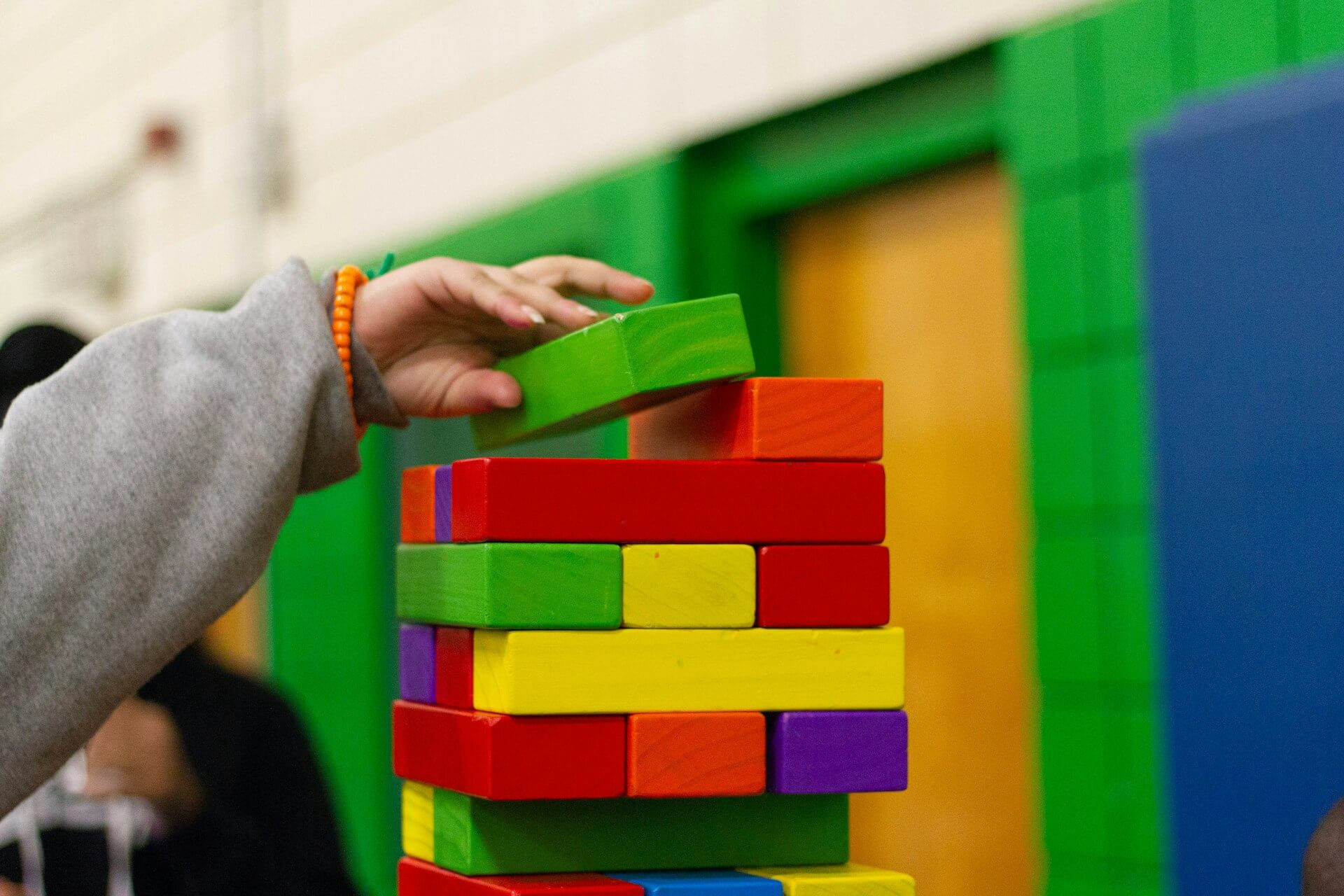
Kindergarten is a social world, and learning how to interact with peers is a critical skill. At home, you can practice taking turns during a board game or talking through feelings when a sibling squabble happens. Arranging playdates gives your child a chance to practice sharing, cooperating, and solving small problems with friends.
Growing Confidence for School
Ultimately, the goal of any early education program is to help your child feel confident and excited about starting kindergarten. Every child learns at their own speed, and a supportive environment celebrates their individual progress, not perfection. When children are given opportunities to try new things, make mistakes, and learn from them in a safe space, they build resilience and a belief in their own abilities. By partnering with parents, educators can ensure each child gets the support they need to feel prepared. This growing confidence is the most important school supply your child can have, allowing them to embrace the new challenges and joys of kindergarten.
How to Support Kindergarten Readiness at Home
A quality early education program is a fantastic partner in preparing your child for kindergarten, but the learning and growth that happen at home are just as important. You don’t need complicated lesson plans or expensive materials to make a difference. By weaving simple, supportive activities into your daily life, you can build your child’s confidence and give them the tools they need to walk into their kindergarten classroom feeling capable and excited to learn. These small, consistent efforts create a powerful foundation for their entire school journey.